2026 Top Product Boxes Trends What Buyers Need to Know
As we approach 2026, understanding the latest trends in product boxes becomes essential for buyers. The packaging landscape is evolving rapidly. Innovative designs, sustainable materials, and enhanced functionality are shaping consumer preferences. Buyers need to consider how these elements can impact brand perception and sales.
The rise of e-commerce has heightened the significance of product boxes. Unique and eye-catching packaging can attract attention in a crowded marketplace. Buyers should be aware of the importance of first impressions. An effective product box does more than just hold items; it tells a brand story.
However, navigating this evolving market can be challenging. Some brands prioritize aesthetics over practicality, leading to issues. Buyers must reflect on their needs and the environmental impact of their choices. Balancing trends with functionality is crucial for success in 2026 and beyond.
2026 Product Box Design Trends Shaping Consumer Preferences
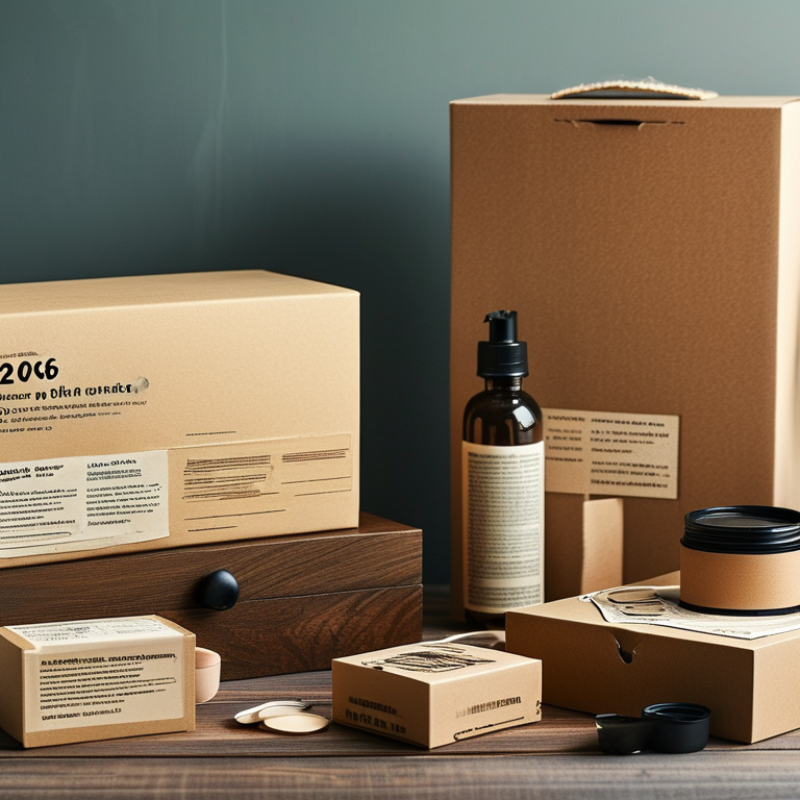
In 2026, product box design is evolving rapidly, influenced by changing consumer preferences. Sustainability will take center stage. Eco-friendly materials are no longer optional. Many consumers are looking for packaging that reflects their values. This year, cardboard and plant-based materials will dominate the market. The visual appeal of boxes will also shift. Bright colors and bold typography will capture attention. People want packaging that feels alive and connected.
To enhance product appeal, brands should consider minimalistic designs. Cluttered packaging can overwhelm consumers and dilute your message. Clear, concise labeling is essential. Also, integrating technology into packaging is on the rise. Interactive designs can engage consumers and provide instant information.
Reflect on how trends impact your brand's identity. Failing to adapt could mean losing relevance. Without a thoughtful approach to box design, companies might struggle to convey their mission. Pay close attention to color psychology; it can evoke emotions and drive purchasing decisions. Therefore, understanding consumer desires is key to succeeding in this competitive market.
The Impact of Sustainability on Product Packaging Choices in 2026
As we move toward 2026, sustainability in product packaging becomes paramount. Recent studies show that 72% of consumers are influenced by eco-friendly packaging. This trend forces brands to rethink their material choices. Biodegradable and recyclable options are now the preferred norm. However, many companies struggle to balance sustainability with cost-effectiveness.
Understanding the environmental impact is vital. In 2023, the global packaging market reached $500 billion, with a significant portion driven by sustainable practices. Yet, there's a gap. Only 25% of companies are fully committed to sustainable packaging. This shows an industry in transition, facing challenges that include sourcing sustainable materials and consumer education.
Despite these obstacles, opportunities exist. Companies can innovate by adopting technologies like plant-based plastics. These advancements could reshape our understanding of packaging. Consumers need transparency and reliability in their choices. Brands must not only promote eco-friendly options, but also ensure their practicality. This is an area where reflection and improvement are needed.
As packaging evolves, so does the responsibility of manufacturers to provide truly sustainable solutions.
Key Aesthetic Trends in Product Boxes Influencing Buyer Decisions
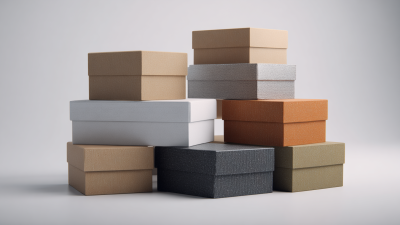
In 2026, aesthetic trends in product boxes are shaping buyer decisions significantly. Consumers now prioritize packaging that reflects sustainability and authenticity. Reports indicate that 72% of buyers consider packaging eco-friendliness a key factor in their purchasing choices. This shift means brands must adapt to a more responsible approach. Simple, cardboard materials are on the rise. They appeal to customers who prefer minimalism and natural aesthetics.
Color and design also play crucial roles. Studies show that 67% of buyers are influenced by unique designs. Vibrant colors with matte finishes can capture attention more effectively than traditional glossy options. However, brands must tread carefully; excessive design elements can overwhelm potential buyers. Balancing visual appeal with clear functionality is essential. Not all trends may resonate with every target audience. Brands need to remain agile in testing different styles before committing to a full rollout.
The demand for inclusivity is also climbing. Packaging that represents diverse cultures can enhance the customer experience. It's a reminder to brands that relatability matters. Yet, the challenge remains in ensuring authenticity over tokenism. Effective product boxes should reflect true values and stories. As trends evolve, continuous research and adaptation become vital for success.
Emerging Materials for Product Packaging and Their Market Viability
The landscape of product packaging is evolving rapidly, with new materials emerging as game-changers. According to a recent report by Smithers Pira, the market for sustainable packaging is expected to grow by 7.7% annually, surpassing $600 billion by 2025. This growing demand pushes manufacturers to explore alternatives to traditional materials like plastics.
Biodegradable materials, such as plant-based bioplastics, are becoming popular choices among brands looking to reduce their environmental footprint.
Recent data from the International Packaging Association suggests that 70% of consumers prefer eco-friendly packaging options. This shift indicates a significant market viability for innovative materials like mushroom-based packaging and recycled paper. While these options display remarkable benefits, challenges persist in scaling production. Many companies struggle with the cost-effectiveness of these materials, especially when competing against cheaper alternatives.
Despite the push for sustainable solutions, the transition may require adjustments. Companies face the task of educating consumers about the benefits and usability of new materials. Moreover, the long-term performance of certain biodegradable options still needs thorough testing. This ongoing exploration highlights the complexities of balancing innovation with practicality in product packaging.
Consumer Insights: The Demand for Personalization in Packaging Solutions
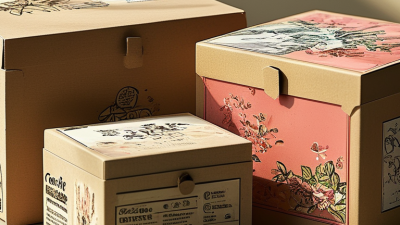
The demand for personalization in packaging solutions continues to reshape the industry. According to recent studies, nearly 79% of consumers express a preference for customized packaging. This trend highlights the importance of making products feel unique. Personalized packaging can enhance the overall customer experience. It builds a connection between the brand and the consumer.
Buyers are looking for packaging that reflects their individuality. A report from Smithers Pira notes that tailored packaging can increase engagement by 70%. It also suggests that brands leveraging personalization see a 30% boost in customer loyalty. More brands should consider integrating consumer data into their packaging designs. This could help in creating more meaningful interactions.
When thinking about personalized packaging, brands may encounter challenges. The balance between cost and innovation can be tricky. Investing in advanced technology is essential, but it requires careful evaluation. Brands must also be wary of overcomplicating designs. Simple, yet effective, changes often yield the best results. Focus on consumer feedback during the design process. This can lead to better alignment with market needs, ultimately enhancing the effectiveness of packaging solutions.
2026 Top Product Boxes Trends: Consumer Insights on Personalization in Packaging Solutions