How to Implement Machine Vision Inspection in Manufacturing?
Machine Vision Inspection is transforming manufacturing processes. It enhances quality control by utilizing cameras and advanced algorithms. This technology identifies defects that human eyes may miss. Implementing it can streamline operations, but challenges exist.
Manufacturers must assess their specific needs. The right equipment selection is crucial. Cameras need to be properly calibrated for accuracy. Additionally, integrating this system with existing processes can cause friction. Training staff is essential for successful adoption. They must understand both the technology and its limitations.
Cost is another consideration. Initial investments can be substantial, yet long-term savings may offset this. Continuous improvement is necessary. Regularly updating software and hardware can prevent obsolescence. Reflection on these aspects is key to effective Machine Vision Inspection implementation.
Understanding Machine Vision: Definition and Key Technologies
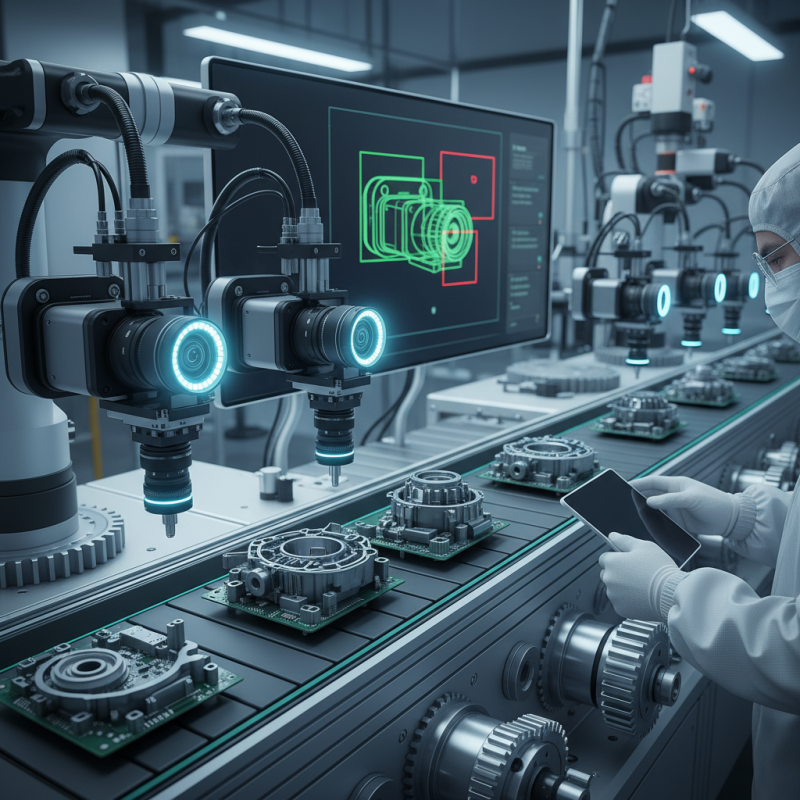
Machine vision is a technology that uses cameras and computer algorithms to inspect products during manufacturing. It allows for real-time quality evaluation. By identifying defects or inconsistencies, manufacturers can save costs and improve their products. Key technologies in machine vision include image processing, lighting adjustments, and data analysis.
Image processing converts images into data. This step is vital for identifying patterns. It’s not always perfect; sometimes, important details can be missed. For instance, variations in lighting may lead to wrong conclusions. Adjusting lighting can help, yet it adds complexity to the setup.
Data analysis interprets the processed images. Advanced algorithms can learn from past errors, which enhances accuracy over time. However, these systems require ongoing supervision. Operators must be involved to ensure the data is interpreted correctly. There may be moments of uncertainty when results do not align with expectations. This highlights the need for continual refinement in machine vision systems.
Evaluating the Benefits of Machine Vision in Manufacturing Processes
Machine vision systems can significantly enhance manufacturing processes. They improve quality control by ensuring products meet stringent specifications. By using cameras and software, machines inspect items at high speed. This can reduce human error, which often leads to defects. However, the technology is not foolproof and requires careful implementation.
Investing in machine vision can yield substantial benefits. For instance, it can increase production speed and lower costs long-term. However, the setup process may involve challenges. Compatibility with existing production lines can be tricky. Staff may also need training to operate new systems effectively.
Tips: Consider a phased approach for implementation. Start with simple tasks before progressing to complex inspections. Regularly review the data collected by the machine vision system for insights. Feedback from operators is invaluable. They can identify limitations and suggest improvements. This iterative approach allows for optimization over time.
Selecting the Right Machine Vision System: Cameras and Software
When implementing machine vision inspection in manufacturing, selecting the right system is critical. Cameras serve as the eyes of the process. It's essential to choose cameras based on resolution and frame rate, which directly impact image clarity and inspection speed. For example, high-resolution cameras can detect finer details but may require more processing power.
Software is equally important. It processes images and analyzes data. A user-friendly interface is vital to ensure all team members can operate it easily. Some software solutions might have a steep learning curve, which can lead to frustration. Consider the compatibility of software with existing machinery too. Sometimes, integration can be more complex than expected.
Another aspect to consider is the environmental factors at play. Lighting conditions can vary widely on the shop floor. Proper lighting setups can enhance image quality significantly. Without this, even the best cameras might struggle. It’s important to do trials before finalizing equipment. Capture a variety of scenarios, and assess performance under different conditions.
How to Implement Machine Vision Inspection in Manufacturing? - Selecting the Right Machine Vision System: Cameras and Software
| Aspect | Details |
| Camera Type | CCD, CMOS, and 3D Cameras |
| Resolution | From 0.3 MP to over 20 MP |
| Frame Rate | Up to 1000 fps based on application |
| Lens Type | Fixed, Zoom, or Telecentric Lenses |
| Lighting | LED, Laser, Backlight, or Area Lighting |
| Software Requirements | Image processing, Machine Learning Integration |
| Communication Protocols | GigE, USB, Camera Link |
| Cost Range | $500 - $50,000 depending on specifications |
| Integration Challenges | System compatibility, training requirements, scalability |
| Applications | Quality control, defect detection, measurement |
Implementing Machine Vision Inspection: Steps and Best Practices
Implementing machine vision inspection in manufacturing requires careful planning and execution. Start by defining clear objectives. What do you want to achieve? Is it quality control, defect detection, or process monitoring? Setting solid goals will guide you through the implementation process.
Next, involve your team. This ensures their expertise and insights will inform decisions. Conduct a detailed assessment of your current systems. Identify gaps where machine vision can add value. Consider the environment where the system will be deployed. Lighting and surface conditions matter significantly. Poor conditions can lead to inaccurate results.
When selecting components, avoid using the latest technology without a purpose. Understand your needs first. Opt for a solution that balances cost and capability. Build a prototype and run tests, but don’t expect immediate perfection. There may be unexpected challenges. Continuous iteration and feedback loops will help refine the system. Always remain open to adjustments. Reflecting on errors will lead to improvements.
Measuring ROI: Impact of Machine Vision on Quality and Efficiency
Implementing machine vision inspection in manufacturing can significantly impact quality and efficiency. A recent study showed that companies integrating this technology reported a 30% reduction in defects. This means fewer returns and improved customer satisfaction. Automation reserves human workers for complex tasks, enhancing overall output. However, transitioning to machine vision requires careful planning. Training staff and adjusting workflows can take time.
While the initial investment in machine vision can seem steep, the return on investment is promising. Data indicates that businesses can achieve ROI within 18 months through increased efficiency. In fact, 75% of firms implementing such systems noted enhanced quality control processes. Yet, it's vital to measure effectiveness continuously. Some companies faced integration challenges, leading to initial production slowdowns. These obstacles serve as reminders of the need for thorough pilot testing.
Moreover, the technology isn’t infallible. Machine vision may struggle with certain surface variances or lighting conditions. Continuous adjustment and monitoring remain essential. Data suggests that 20% of defects still slip through with automated systems. Companies must remain vigilant and prepared to adapt strategies. This ongoing reflection can lead to further improvements and greater success.