Why You Need to Design Shipping Boxes for Your Business?
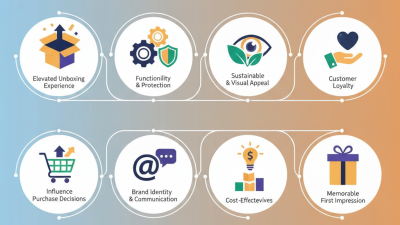
In today’s competitive market, businesses cannot overlook the importance of packaging. The way you design shipping boxes can significantly impact your brand image. Custom boxes are not just protective containers; they serve as a silent salesperson. A well-designed box tells a story and creates an experience for the customer.
Many businesses underestimate how packaging influences consumer perception. An eye-catching design can catch attention and encourage purchases. On the contrary, poorly designed boxes may lead to lost sales. A box that reflects quality can enhance customer trust and loyalty.
Moreover, you must consider practical aspects. The right dimensions and materials can reduce shipping costs and damage during transit. Designing shipping boxes isn't merely an aesthetic choice; it’s a business strategy. Reflecting on your current approach may reveal areas to improve. Balancing creativity with functionality is essential for success.
The Importance of Custom Shipping Boxes in Brand Identity
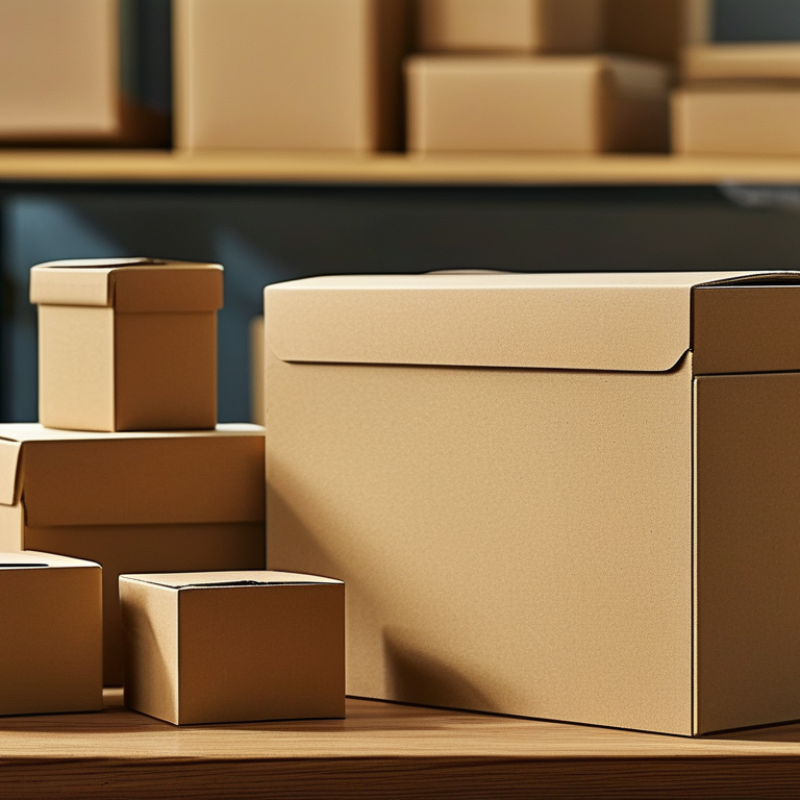
Custom shipping boxes play a crucial role in shaping brand identity. They reflect your brand's values and convey a professional image. In fact, studies show that 72% of consumers believe packaging design influences their purchasing decisions. When a box is well-designed, it creates a memorable unboxing experience. This can foster customer loyalty and encourage repeat purchases.
Using unique packaging can lead to tangible benefits. A recent report indicated that 54% of shoppers are more likely to purchase a product if it is packaged attractively. Customers often share unboxing experiences on social media. This acts as free advertising for your brand, reaching wider audiences.
Consider using sustainable materials for shipping boxes. Eco-friendly packaging can enhance your brand's reputation. It shows commitment to environmental responsibility. Focus on clear and bold designs that reflect your brand’s personality. Combine this with a functional layout to ensure product safety during transit. Pay attention to details like colors, fonts, and textures. These elements can echo your brand story effectively.
Key Benefits of Designing Shipping Boxes for Customer Experience
Designing shipping boxes enhances customer experience significantly. A well-thought-out box communicates your brand identity. It also creates excitement for the unboxing experience. Customers remember unique packaging. This can lead to repeat business and referrals.
Creating engaging designs is crucial. Use sustainable materials that reflect your values. Customers appreciate eco-friendly options. Make your boxes easy to open. Frustration with packaging can lead to negative reviews. A secure design protects products during transit. This reduces the chances of damage and returns.
Consider adding personalization. A small note or unique insert can delight customers. This personal touch differentiates you from competitors. Experiment with colors and graphics that resonate with your audience. However, balancing creativity and functionality is essential. Never compromise on protection for the sake of aesthetics. Reflect on your designs regularly. Adapt to feedback and market trends to stay relevant.
Why You Need to Design Shipping Boxes for Your Business? - Key Benefits of Designing Shipping Boxes for Customer Experience
| Benefit |
Description |
Impact on Customer Experience |
| Branding |
Custom designs enhance brand recognition and loyalty. |
Increases customer retention and word-of-mouth referrals. |
| Protection |
Well-designed boxes provide better protection during transit. |
Reduces product damage, improving customer satisfaction. |
| Sustainability |
Eco-friendly materials can appeal to environmentally conscious consumers. |
Enhances brand image and attracts a loyal customer base. |
| Unboxing Experience |
A creative packaging design can make unboxing exciting. |
Encourages social sharing and enhances emotional connection with the brand. |
| Cost-effectiveness |
Efficient designs minimize material waste and shipping costs. |
Improves profit margins while maintaining quality. |
How Packaging Design Influences Shipping Efficiency and Costs
Effective packaging design plays a crucial role in shipping efficiency. A well-designed shipping box fits the product perfectly, minimizing movement during transport. This reduces the risk of damage. When items are secure, fewer replacements are needed. This not only saves money but also strengthens customer trust.
Additionally, the materials used affect costs. Lightweight materials can decrease shipping fees, allowing for more products shipped at once. However, it’s important to balance weight with protection. Using stronger, yet lightweight materials might lead to better outcomes. Customers expect their orders to arrive intact. If not, it can harm the business’s reputation.
Thoughtful design can also improve unloading speed. Boxes that are easy to open save time. This efficiency is key in fast-paced shipping operations. Yet, not all designs prioritize this aspect. Revisiting and refining box designs can lead to significant improvements over time. Regularly analyzing shipping performance helps identify areas for change.
Impact of Packaging Design on Shipping Efficiency and Costs
Sustainability Considerations in Shipping Box Design
When designing shipping boxes, sustainability should be a primary focus. The choice of materials is crucial. Opting for recycled cardboard can significantly reduce environmental impact. This material is often sturdy enough for shipping, lowering the need for excessive packaging. Using biodegradable inks for branding is an innovative way to enhance eco-friendliness.
However, there are challenges. Many businesses still overlook the balance between aesthetics and sustainability. They may prioritize eye-catching designs while using non-eco-friendly materials. This can lead to consumer backlash. Customers today appreciate brands that sincerely commit to sustainability. They expect transparency in packaging choices.
Another important aspect is the shipping process. Oversized boxes waste resources. They require more fuel for transport. Focusing on optimal box sizes can minimize waste. Measuring products accurately before designing the box helps. It's a reminder that every small action counts. Sustainability in shipping box design requires ongoing reflection and improvement. Adapting to new eco-friendly practices is essential for any responsible business.
Tips for Designing Effective Shipping Boxes for Your Business
Designing effective shipping boxes is crucial for any business. A well-designed box not only protects your products but also enhances the unboxing experience. This can lead to better customer satisfaction and loyalty. Thoughtful design reflects your brand's values and attention to detail.
Consider the materials you choose. Sturdy cardboard can withstand rough handling but may not be eco-friendly. Explore options like recycled materials. Colors and graphics matter. A dull box can be forgettable. Vibrant colors can attract attention but might clash with your brand identity. Striking a balance is essential.
Include practical features in your design. Compartments help prevent product movement. Handles or easy-opening flaps add convenience. Remember, a box should be functional but also visually appealing. Gather feedback from customers. Their insights can reveal issues you may not notice. Testing various designs can lead to unexpected discoveries and improvements.