Top Tips for Choosing the Right Packaging Shipping Boxes?
Choosing the right packaging shipping boxes is crucial for businesses of all sizes. The right box ensures products arrive safely and in good condition. It also impacts customer perception. Poor packaging can lead to damaged goods, unhappy customers, and lost sales.
When selecting packaging shipping boxes, consider the material and size. Boxes made from sturdy materials protect items during transit. Choosing the right size is equally important. A box that's too big may allow items to shift, causing damage. Conversely, a box that's too small could crush or compromise the product.
Many options are available, but not all are suitable for every item. Reflecting on past shipping experiences can help identify flaws in your packaging choices. Perhaps a box once left a product damaged or a shipment arrived late. These experiences shape better decisions. The packaging shipping boxes you choose should align with your brand and mission, ensuring reliability and trust with customers.

Understanding the Importance of Choosing the Right Shipping Boxes
Choosing the right shipping boxes is crucial for successful delivery. The right boxes protect your products during transit. If a box is too small, items may get crushed. If too large, it can allow for shifting, increasing the risk of damage. A sturdy box ensures that your goods arrive intact. Don’t overlook the size.
Consider the material of your shipping boxes. Corrugated cardboard is common, but other options exist. Each material has its pros and cons regarding weight, cost, and protection. Think about the nature of your products. Some items need extra cushioning, while others require simple protection. Sometimes, the choice may seem overwhelming. Reflect on your needs and priorities.
Evaluating the cost versus quality is essential. Cheaper boxes may save money initially but could lead to damaged goods. Damage can translate into lost sales and unhappy customers. It’s a cycle that impacts your reputation. Quality packaging builds trust and ensures a better customer experience. What’s worth more to you: short-term savings or long-term reliability?
Top Tips for Choosing the Right Packaging Shipping Boxes
| Dimension |
Material Type |
Weight Capacity (lbs) |
Cost ($) |
Ideal For |
| 12"x12"x12" |
Corrugated Cardboard |
30 |
1.50 |
Small Electronics |
| 16"x16"x16" |
Double Wall Cardboard |
50 |
2.00 |
Clothing & Textiles |
| 24"x12"x12" |
Single Wall Cardboard |
40 |
1.80 |
Books & Stationery |
| 18"x18"x24" |
Heavy Duty Cardboard |
70 |
3.50 |
Home Goods |
| 20"x20"x20" |
Reinforced Cardboard |
60 |
2.50 |
Sporting Goods |
Evaluating Box Material: Cardboard vs. Corrugated vs. Specialty Options
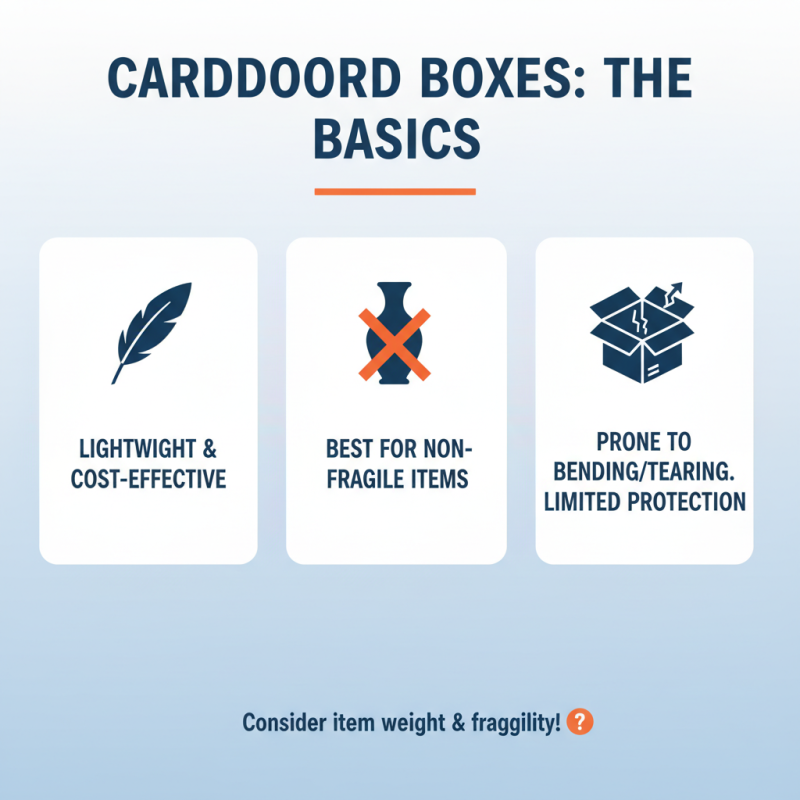
When selecting shipping boxes, the choice of material is crucial. Cardboard boxes are lightweight and cost-effective. They work well for non-fragile items. However, they may not provide enough protection for heavier or more delicate products. Cardboard can easily bend or tear, which can lead to damaged goods. It’s important to consider the weight and fragility of your items when opting for this type.
On the other hand, corrugated boxes offer enhanced durability. Made with layers, they resist impacts and provide insulation against temperature changes. This makes them ideal for shipping fragile items. However, they are typically heavier and more expensive than regular cardboard. If you are shipping fragile or high-value products, corrugated might be the better choice. Specialty options, such as padded mailers or insulated boxes, can also be considered. These materials address unique shipping needs, like temperature control for perishables.
Reflecting on your choices is essential. Think about the balance between cost and protection. Your items deserve the right level of care during shipping. Engage in a conversation with your supplier to explore options that suit your specific needs. It’s not just about saving money; it’s also about ensuring that your products reach their destinations safely and intact.
Determining Size and Weight Requirements for Optimal Shipping Efficiency
Choosing the right shipping boxes starts with understanding size and weight requirements. According to the Packaging Industry Association, about 30% of shipping costs relate to packaging sizes. If your boxes are too large, you'll waste space and increase shipping fees. A box that's too small might damage the product, leading to additional costs and customer complaints.
Utilizing data from the Council of Supply Chain Management Professionals, improper sizing can lead to a 20% increase in damages during transport. This highlights the importance of specific measurements. Measure your products carefully. Consider their weight as well. Heavier items require sturdier packaging. Ensure that your boxes can support the weight without compromising strength.
Reflect on the materials used in your shipping options. For instance, corrugated boxes are popular for their durability and lightweight nature. However, using excess cushioning can add to your costs. Balancing protection with cost-effectiveness is crucial. Remember, the right size and weight correlate directly with efficiency and overall success in shipping.
Optimal Shipping Box Sizes and Weights
This chart illustrates the average weight capacity for different sizes of shipping boxes, helping businesses determine the right packaging options based on their shipping needs.
Assessing Cost Factors: Balancing Quality and Affordability in Packaging
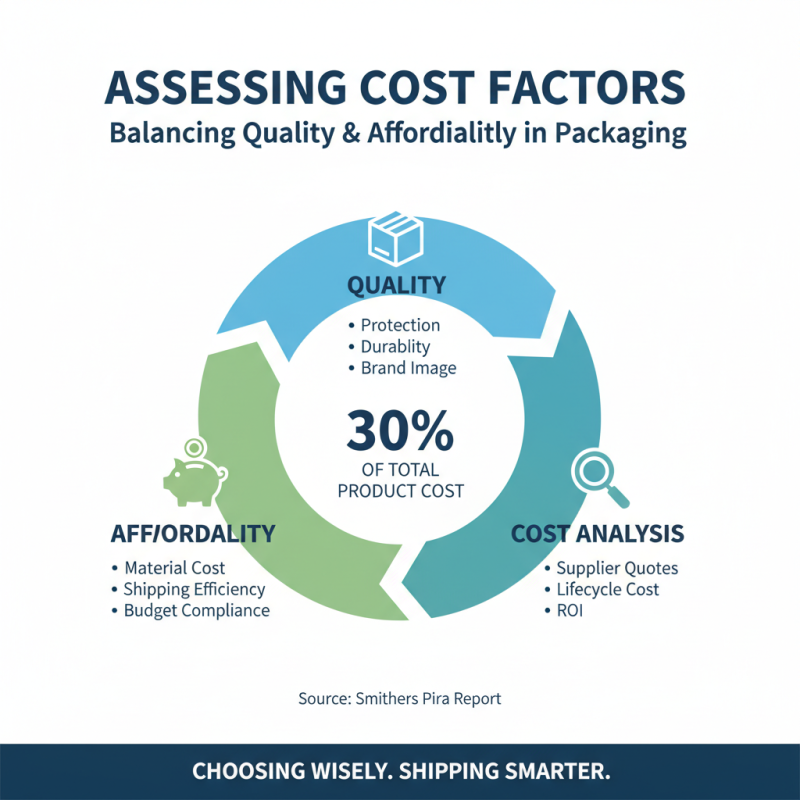
Choosing the right packaging shipping boxes involves carefully balancing quality and affordability. According to a recent report from Smithers Pira, packaging accounts for nearly 30% of the total product cost. This statistic highlights the importance of conducting a thorough cost analysis when selecting boxes for shipping.
Many businesses often prioritize low-cost options, leading to compromises on quality. A survey by Packaging World revealed that 67% of companies have faced product damage due to inadequate packaging. Investing in durable materials can prevent losses and improve customer satisfaction. In fact, damaged goods can lead to a 20% reduction in repeat orders.
When evaluating options, consider the return on investment. Higher upfront costs might save more in the long run. The Environmental Protection Agency (EPA) states that efficient packaging can reduce shipping costs by up to 40% and cut waste. However, many overlook sustainable choices, focusing solely on price. A recent study by EcoFocus found that 55% of consumers prefer brands with environmentally friendly packaging. This shift in consumer preference can drive businesses to reconsider their packaging strategies.
Utilizing Industry Standards and Regulations for Packaging Compliance
When selecting packaging shipping boxes, compliance with
industry standards is crucial. Various regulations ensure that packaging is
safe and sustainable. Different products often have unique requirements, such as weight limits and material types.
Understanding these requirements helps in choosing the
right box for your items.
It’s essential to stay updated on packaging regulations. They change frequently, sometimes without much notice.
Regularly checking for updates can prevent compliance issues.
For instance, some materials may become restricted over time. Not adhering to these rules can lead to fines or damage claims.
Using the right packaging isn’t just about compliance; it’s also about protecting your product. A box that’s too small
can cause damage. Conversely, an oversized box can lead to shipping costs that are higher than necessary.
Balancing size and strength is vital. Test different options to
find what works best for your needs. Remember, packaging isn’t just a box; it’s your product’s
first impression.