Essential Tips for Sourcing Boxes Supplies Globally
The global demand for boxes supplies has surged in recent years. According to the global packaging market report, it is projected to reach $1 trillion by 2024. This rise highlights the necessity for businesses to strategically source box supplies to meet their growing needs. Companies are adapting to changes in consumer behavior. E-commerce growth has driven a higher demand for quality packaging solutions.
However, sourcing boxes supplies globally poses challenges. Different regions have various standards and regulations, which can complicate procurement. A recent survey found that 68% of companies struggle with ensuring consistency across suppliers. Identifying reliable manufacturers becomes critical for maintaining product integrity. Companies need to evaluate suppliers’ practices and capabilities thoroughly.
Navigating this landscape requires careful consideration. Businesses must balance cost-effectiveness with quality. Establishing strong relationships with suppliers can mitigate risks and enhance supply chain efficiency. Data-driven sourcing strategies are essential for staying competitive. Investing time in research and analysis can lead to better outcomes in the long run. Therefore, understanding the complexities of sourcing is vital in today's fast-paced market.

Understanding Global Box Supply Market Dynamics
Understanding the dynamics of the global box supply market is essential for businesses seeking efficient sourcing solutions. Recent industry reports indicate that the global packaging market, including boxes, is expected to reach over $1 trillion by 2026. Factors influencing this growth include increased e-commerce demand and sustainability trends. However, sourcing boxes is more complex than it appears.
In many regions, fluctuating raw material prices—particularly paper and cardboard—affect box supply. According to a study by Smithers Pira, raw material costs could account for up to 75% of production expenses. As demand rises, suppliers may struggle to keep pace, leading to shortages or delays. Companies must remain agile to adapt to these shifts.
Quality remains an ongoing concern, especially when suppliers offer lower-cost options. Businesses should weigh cost savings against the risk of substandard materials that could impact product safety and brand reputation. Ensuring quality assurance processes are in place is crucial. While it is tempting to chase the lowest price, reflecting on long-term implications is vital for sustainable sourcing.
Essential Tips for Sourcing Boxes Supplies Globally - Understanding Global Box Supply Market Dynamics
| Region |
Market Size (USD Billion) |
Growth Rate (%) |
Key Materials |
Main Challenges |
| North America |
25.3 |
3.5 |
Recycled Paper, Corrugated |
Transportation Costs |
| Europe |
30.2 |
4.2 |
Plastic, Wood |
Regulatory Compliance |
| Asia-Pacific |
35.0 |
6.0 |
Cardboard, Kraft Paper |
Supply Chain Disruptions |
| Latin America |
10.5 |
3.0 |
Recyclable Materials |
Market Volatility |
| Middle East & Africa |
8.7 |
2.8 |
Fiberboard |
Infrastructure Issues |
Identifying Reliable Suppliers Worldwide
Sourcing boxes globally can be challenging. Identifying reliable suppliers is essential. Reports show that around 30% of businesses face issues with supplier reliability. Conducting thorough research helps mitigate risks.
Start by evaluating supplier credentials. Look for certifications that indicate quality standards. Many suppliers showcase their compliance with international standards, such as ISO 9001. This certification reflects consistency in quality management. However, not all suppliers may have this. Some may promise reliability but lack documentation.
Engaging in direct communication can reveal much about a supplier's transparency. Ask about their production processes and lead times. Many businesses have faced delays due to supplier miscommunication. Relying solely on digital communication can be risky. Ensure you have a backup plan in case a supplier fails to meet your needs.
Evaluating Quality Standards in Box Production
When sourcing boxes supplies globally, quality standards must take precedence. The production process varies by region, so it's vital to know what quality means in your context. Quality often hinges on materials, workmanship, and compliance with industry regulations. A deep understanding of local standards can help you gauge reliability.
Tip: Always request samples before placing bulk orders. This allows you to inspect the materials and construction firsthand. For example, if sourcing biodegradable boxes, ensure they meet environmental standards. Use visual inspections to verify structural integrity, like checking for rigid corners and even seam placements.
Evaluate the manufacturer’s certifications. Reliable suppliers typically have third-party audits. This not only guarantees quality but also provides peace of mind. However, remember that certifications can be misleading. Don't rely solely on documentation; visit the facility or request videos of the production process. This tactile approach helps mitigate risks while ensuring the supply chain aligns with your company’s values.
Navigating Import Regulations and Tariffs for Box Supplies
Navigating import regulations and tariffs can be complex for box supplies. Understanding these regulations is crucial for global sourcing. According to a recent report by the International Trade Administration, navigating tariffs efficiently can save businesses an average of 15% on their supply costs. Each country has specific customs regulations. Non-compliance can lead to costly delays and penalties.
Documentation is key in this process. Importers must ensure that customs declarations are accurate. Errors can result in fines or shipment delays. The World Trade Organization notes that nearly 25% of all global shipments face delays due to documentation issues. This statistic emphasizes the importance of thorough preparation before attempting to import box supplies.
Moreover, keep an eye on fluctuating tariffs. Tariff rates can change, affecting your overall costs. Regularly reviewing trade policies helps identify potential savings. Industry experts recommend subscribing to trade publications for updates. This proactive approach ensures that businesses remain competitive and comply with international laws. However, it is also essential to be adaptable in your sourcing strategy. Flexibility can help mitigate unexpected changes in regulations.
Global Box Supplies Import Costs Analysis
Establishing Effective Communication with Suppliers Globally
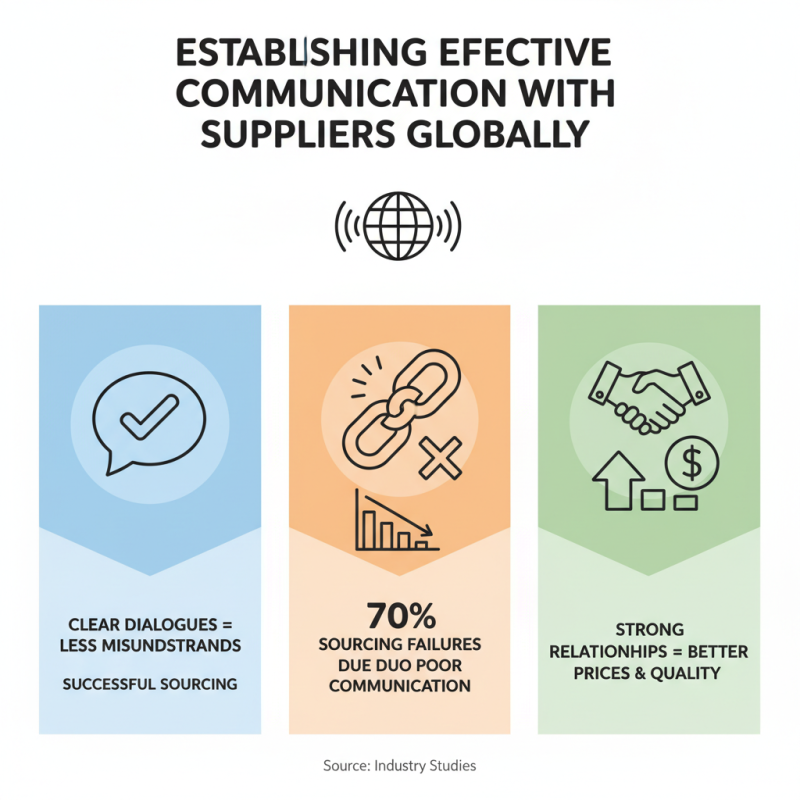
Effective communication with global suppliers is essential for successful sourcing. Clear dialogues minimize misunderstandings. Studies show that 70% of sourcing failures stem from communication barriers. Building a solid relationship can lead to better prices and quality products.
To enhance communication, be concise and direct. Avoid jargon that may confuse. Utilize visual aids such as charts or images for clarity. Sending samples can bridge language gaps. Invest time in understanding cultural nuances. For instance, punctuality is key in some cultures, while others value relationship-building first.
Regular check-ins can help maintain alignment. Use digital tools for real-time updates and sharing information. A report from Supply Chain Management Review states that companies with robust communication strategies reduce lead times by up to 50%. However, it’s important to remain adaptable. Misunderstandings may still occur, highlighting the need for continuous improvement in your communication approach.