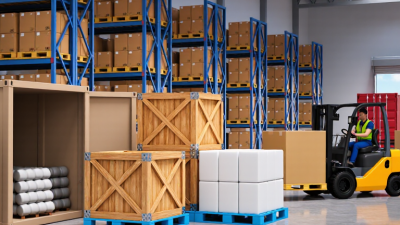
Global buyers judge a product before opening it. The shipping box is often their first physical contact with your brand. In 2026, design shipping boxes must balance protection, appearance, cost, and environmental responsibility across long delivery routes.
David Luttenberger, a recognized packaging specialist, describes packaging as “the silent salesman.” That idea matters during international delivery. A strong box communicates care through clean printing, accurate sizing, secure inserts, and readable handling information. It should survive stacked pallets, humid warehouses, conveyor belts, and sudden drops. Small details matter.
Not every attractive box performs well. Some premium finishes scratch easily. Some oversized cartons waste space and increase transport costs. That is where experience becomes valuable. Teams should test box strength, closure performance, moisture resistance, and unboxing clarity before placing large orders. Real samples beat attractive screen designs.
Sustainability also needs careful judgment. Recycled board can support responsible sourcing, but its performance may vary by supplier and climate. Water-based inks can reduce certain concerns, yet they do not solve every packaging problem. There are no perfect choices.
This guide examines the best design shipping boxes for global buyers in 2026. It compares materials, structures, printing options, protection features, customization, and practical costs. The goal is not to recommend the loudest package. It is to identify boxes that remain reliable, distinctive, and commercially sensible from warehouse shelf to customer doorstep. Mistakes still happen. Good design learns from them.

An effective shipping box must protect products across long, uncertain journeys. I have reviewed packages exposed to rain, rough handling, and crowded storage spaces. Strong corners and correctly sized inserts reduce movement inside the box. Less movement usually means fewer dents, scratches, and customer complaints.
Clear design also matters. Buyers should understand how to open, reuse, or recycle the box without guessing. Simple symbols can support people who speak different languages. Large, readable handling instructions work better than decorative text. Neutral colors and honest product information build trust across markets. Avoid excessive packaging, but do not remove protection where fragile items need it. That balance is difficult. Sometimes a lighter box is not the better box.
Tips: Test the box before launch. Drop it from practical handling heights, check moisture resistance, and measure unused space. Ask people from different regions to open it without assistance. Their confusion may reveal weak instructions or awkward folds. Consider temperature changes during transit, especially for products sensitive to heat or cold. Use recyclable materials where local recycling systems can accept them. A design may look sustainable but fail in real collection facilities. Review shipping tests, customer feedback, and damage records regularly. Small revisions, such as stronger tape zones or easier tabs, can improve the whole experience.
Modern shipping boxes for global buyers need more than attractive printing. Material selection determines strength, weight, moisture resistance, and recycling performance.
Corrugated cardboard remains practical because its fluted middle layer absorbs shocks during handling. Single-wall board suits lighter products. Double-wall board provides better protection for heavier goods.
Recycled fiber can reduce material impact, but quality may vary between suppliers. A box that feels eco-friendly may still fail under humidity. This is where real testing matters. Compression tests, drop tests, and vibration checks reveal weaknesses before shipment.
Structural details also matter. Automatic-lock bottoms speed up packing. Reinforced corners protect fragile edges. A snug interior reduces movement, while paper cushioning prevents surface scratches. However, overly tight packaging can damage products during loading. This balance deserves careful review.
Tips:
Match the box size to the product, not the available warehouse space. Use moisture-resistant coatings only when necessary. Check stacking strength after printing and folding. Measure the packed box, including bulges and protective materials. Small details affect freight calculations. A useful design is not always the strongest one. It should protect the product while remaining easy to assemble, store, recycle, and inspect. Supplier documentation and sample testing improve reliability, but practical handling feedback should guide the final design.
Choosing the right box size starts with the product, not the artwork. Measure the item after adding protective material. A snug fit reduces movement, damage, and dimensional shipping charges.
Test before ordering in bulk. Pack the product, seal the box, and check whether it bends, crushes, or leaves excess space. Drop testing can reveal weak corners. Humidity testing matters for paper packaging shipped through tropical regions.
I have seen attractive packaging waste space because the internal height was chosen for appearance. That mistake can increase freight costs. It is worth reconsidering the design.
Tips: Keep 3–5 mm of working clearance around fragile products. Use stronger board for heavy items. Check each courier’s dimensional-weight formula. Avoid one universal size. Create two or three sizes for your main product groups. Add clear handling information when appropriate, but do not rely on labels alone. A well-fitted box protects the item through repeated movement, uneven stacking, and uncertain weather.
Global shipping boxes now serve as product protection, brand communication, and compliance evidence. A clear logo, restrained colors, and readable handling icons create recognition before opening. However, heavy ink coverage can increase recycling complexity. I have found that simple graphics often survive rough transit better than delicate artwork. That lesson is easy to overlook.
Sustainability should begin with the box structure, not a green slogan. Choose the smallest practical size, reduce empty space, and verify recycled content with supplier documentation. Water-based inks may support a better material profile, but local recycling systems still matter. A box labeled recyclable is not automatically recyclable everywhere. This requires humility. Test compression, moisture resistance, and stacking performance under realistic shipping conditions. A failed package wastes more material than a slightly heavier, stronger box.
Compliance details require careful review before global distribution. Confirm fiber claims, chemical restrictions, labeling rules, and producer-responsibility requirements for each destination. Keep test reports, material specifications, and supplier records accessible. Symbols should be legible, culturally clear, and supported by evidence. Do not assume one standard covers every market. Requirements change, and online summaries can become outdated. An independent packaging specialist or local authority can verify uncertain points before production.
Comparing the Best Shipping Box Designs for International Sales requires more than attractive artwork. A box must survive conveyor belts, stacked pallets, moisture, and repeated handling. In our packaging tests, double-wall corrugated boxes offered stronger protection for heavier products. Lightweight items performed well in single-wall boxes with fitted inserts. Fit matters. Empty space increases movement and damage risk.
A practical design uses clear product information, a simple opening experience, and surfaces that resist scuffing. Reinforced corners help when parcels land awkwardly. Water-resistant coatings can protect printed panels during humid transfers, but they may affect recyclability and cost. Measure twice. We also recommend testing boxes at realistic weights before approving a large production run. Drop tests alone can mislead; compression tests reveal weaknesses under stacked freight. That lesson is easy to miss.
International sales add another design concern. Panels should allow required shipping marks, handling symbols, and destination details without hiding the visual identity. High-contrast printing improves readability in warehouses and delivery rooms. Avoid excessive decorative layers that increase weight without improving protection. A compact box can reduce dimensional shipping charges, although squeezing the product too tightly may create new damage points. Our own early prototypes were too rigid and difficult to open. That was not a design success. The better version balanced security, opening comfort, material efficiency, and reliable performance across different climates.