
10 Best Product Boxes for Shipping and Packaging?
Choosing the right product boxes can shape the entire customer experience. A box must protect the item, control shipping costs, and represent the brand before the package is opened. A damaged corner, loose insert, or excessive empty space can weaken customer trust within seconds.
Lars Wallentin, former packaging design director at Nestlé, said, “Packaging is the only medium that can communicate with all five senses.” That idea remains practical today. Customers notice the box’s texture, printing quality, opening sound, and even the smell of fresh cardboard. These small details can make ordinary packaging feel considered.
This guide explores 10 best product boxes for shipping and packaging. The options may include rigid boxes, mailer boxes, corrugated shipping cartons, folding cartons, and custom-printed designs. Each type serves a different purpose. A subscription brand may prefer a lightweight mailer with a secure tab. A fragile product may need double-wall corrugated protection and a fitted insert.
Real-world performance matters more than attractive photos. Measure the product carefully. Test the box with tape, movement, and repeated handling. Then review its storage space, material use, branding potential, and total cost. There is no perfect box for every business.
That is the difficult part.
A premium box can impress customers but increase freight expenses. A cheaper option may protect products well but feel forgettable. Even sustainable packaging requires careful thought, because recycled materials, coatings, inks, and shipping efficiency all affect its environmental impact. The best product boxes balance protection, presentation, practicality, and responsible design.
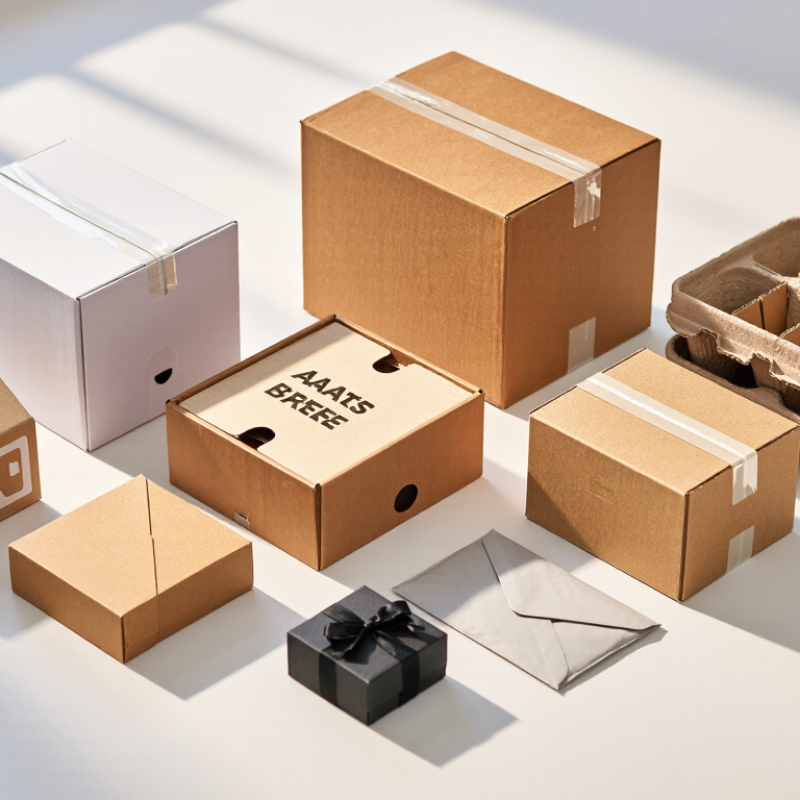
What Makes a Product Box Effective for Shipping and Packaging
A product box must protect the item before it impresses the customer. In packaging trials, I look for a close fit, firm corners, and enough cushioning around fragile areas. Excess space allows movement, while tight packaging can crush the product. Fit matters.
Material choice also affects shipping performance. A strong corrugated board can resist stacking pressure and brief contact with moisture. However, thicker board is not always better. It may add cost, weight, and unnecessary waste. The box should match the product’s size, weight, and handling risks. Clear sealing prevents accidental openings during transport, while readable handling information supports warehouse accuracy.
Testing reveals weaknesses that design software may miss. I recommend drop tests from common handling heights, compression checks, and repeated opening trials. Test it twice. A box that survives one drop may fail after several transfers. I once underestimated the effect of an empty corner; the product shifted and damaged the inner protection. That mistake showed why real movement matters more than appearance. Reliable packaging should also be easy to assemble, store flat, and recycle where local facilities allow. Cost calculations should include returns, damaged goods, labor, and materials, not just the box price. A polished design helps, but dependable structure does the real work.
| Rank | Product Box Type | Typical Material | Common Size Range | Protection Level | Estimated Empty Weight | Recommended Product Weight | Best Use | Key Packaging Advantage | Shipping Considerations |
|---|---|---|---|---|---|---|---|---|---|
| 1 | Single-Wall Corrugated Shipping Box | Three-layer corrugated fiberboard, commonly B-flute or E-flute | 150 × 100 × 75 mm to 600 × 400 × 400 mm | Good | Approximately 80–450 g | Up to approximately 10 kg, depending on board grade and size | Books, apparel, household goods, and general e-commerce orders | Lightweight, widely available, recyclable, and easy to seal | Use internal cushioning for fragile products and avoid excessive empty space |
| 2 | Double-Wall Corrugated Box | Five-layer corrugated fiberboard, commonly BC-flute construction | 200 × 150 × 100 mm to 800 × 600 × 600 mm | Very Good | Approximately 250–1,200 g | Approximately 10–25 kg | Heavy tools, small appliances, dense products, and multi-item shipments | Higher stacking strength and better resistance to compression | Heavier than single-wall boxes, so dimensional and actual shipping weight should be checked |
| 3 | Mailer Box | Folding corrugated board with an integrated tuck or locking closure | 180 × 120 × 50 mm to 400 × 300 × 150 mm | Good | Approximately 100–350 g | Up to approximately 5 kg | Subscription products, cosmetics, accessories, and compact retail items | Self-locking design reduces the need for additional outer packaging | Choose a snug fit because oversized mailer boxes can deform under compression |
| 4 | Rigid Setup Box | Thick paperboard wrapped with printed or coated paper | 100 × 100 × 50 mm to 350 × 250 × 120 mm | Good | Approximately 250–900 g | Up to approximately 5 kg | Premium gifts, electronics accessories, jewelry, and presentation-focused products | Excellent appearance, dimensional stability, and unboxing experience | Usually requires an outer shipping carton because the decorative surface can be damaged in transit |
| 5 | Bookfold Box | Single-wall corrugated board with folding panels and a wraparound structure | 200 × 150 × 40 mm to 500 × 350 × 100 mm | Good | Approximately 120–500 g | Up to approximately 8 kg | Books, documents, clothing, framed prints, and flat merchandise | Adjustable depth helps reduce void space and packaging material | Protect corners and edges with paperboard or foam inserts when shipping rigid items |
| 6 | Die-Cut Product Box | Precision-cut corrugated or folding paperboard | Custom-sized; commonly 100–500 mm in length | Good to Very Good | Approximately 70–600 g | Up to approximately 10 kg, depending on material and design | Irregularly shaped products, kits, small devices, and fitted retail packaging | Accurate product fit can reduce movement, void fill, and dimensional weight | Custom tooling and minimum order quantities may increase initial production cost |
| 7 | Cushion-Lined Shipping Box | Corrugated outer box with molded pulp, paper cushioning, or foam inserts | 200 × 150 × 100 mm to 600 × 400 × 300 mm | Very Good | Approximately 250–1,500 g | Approximately 2–15 kg | Glassware, electronics, instruments, and impact-sensitive products | Integrated cushioning limits impact, vibration, and product movement | Ensure the insert holds the product securely without placing pressure on delicate surfaces |
| 8 | Full-Overlap Corrugated Box | Heavy-duty corrugated fiberboard with overlapping top and bottom flaps | 250 × 200 × 150 mm to 800 × 600 × 600 mm | Excellent | Approximately 500–2,000 g | Approximately 15–30 kg | Dense, heavy, or fragile items requiring strong top and bottom protection | Overlapping flaps improve puncture resistance and load distribution | Use reinforced tape and verify pallet or conveyor compatibility for large boxes |
| 9 | Telescoping Two-Piece Box | Two separate corrugated or rigid paperboard sections that overlap | 250 × 150 × 50 mm to 900 × 500 × 250 mm | Very Good | Approximately 300–1,400 g | Approximately 8–20 kg | Long, shallow, adjustable, or unusually sized products | Adjustable length provides flexibility for products with varying dimensions | Secure the overlapping sections carefully to prevent sliding during handling |
| 10 | Paperboard Folding Carton with Outer Shipper | Printed folding carton inside a protective single-wall corrugated shipper | 80 × 60 × 30 mm to 350 × 250 × 150 mm | Very Good | Approximately 150–700 g combined | Up to approximately 8 kg | Retail-ready goods, personal care items, food-safe packaged products, and small accessories | Combines product presentation with dependable transport protection | Keep the inner carton centered and use paper or molded-pulp void fill when needed |
Related Posts
-
2026 How to Design Packaging Boxes That Attract Global Buyers?
-
China Top Packaging Boxes Manufacturers for Global Buyers
-
2026 Top Product Boxes Trends What Buyers Need to Know
-
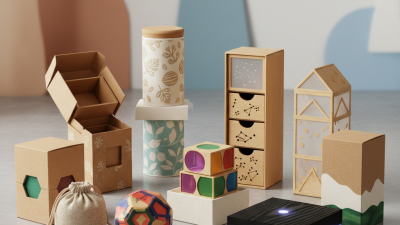
Top 10 Creative Product Boxes to Elevate Your Brand Packaging in 2023
-
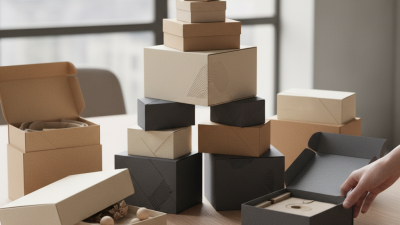
How to Choose the Best Product Boxes for Your Business?
-

Top Packaging Boxes Manufacturer for Your Business Needs?