How to Choose Creative Boxes for Global Buyers in 2026?

Choosing creative boxes for global buyers in 2026 requires more than attractive graphics. Packaging must protect products, communicate value, and meet practical market expectations. A beautiful box can still fail if its corners crush during transit or its insert shifts inside.

This guide examines creative boxes through a buyer-focused, evidence-based lens. It considers materials, structural design, printing quality, sustainability claims, and shipping performance. Recycled paperboard may suit lightweight cosmetics, while rigid boxes offer stronger protection for electronics or premium gifts. Moisture-resistant coatings can help in humid routes, but they may affect recycling options. Small details matter.

Ask for material certificates, accurate dimensions, production samples, and documented testing. Check whether supplier claims can be verified. Review labeling, packaging waste rules, and import requirements for each destination. Requirements differ across markets, and assumptions can become expensive. They sometimes do.

A reliable supplier should explain tolerances, lead times, minimum quantities, and quality-control procedures clearly. Request photographs from production, not only polished catalog images. Test the box with real products and realistic handling conditions. Drop it. Stack it. Inspect the printed surface after delivery.

No single design fits every global buyer. Cost, brand position, product weight, transport distance, and customer expectations must work together. This introduction helps buyers compare creative boxes with practical judgment, not visual excitement alone. Some decisions will remain imperfect. Careful testing makes those risks easier to understand and manage.
How to Choose Creative Boxes for Global Buyers in 2026?

Understanding Creative Box Types and Their Global Uses

How to Choose Creative Boxes for Global Buyers in 2026?

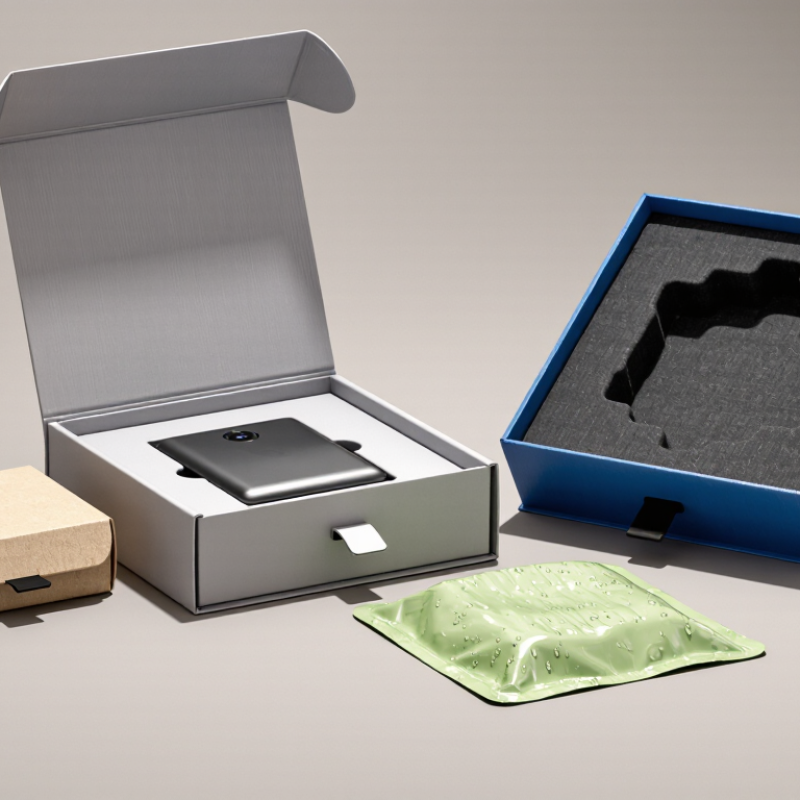
Creative boxes serve different purposes across international markets. Folding cartons suit lightweight retail products and flat shipping. Rigid gift boxes create a premium unboxing experience. Magnetic boxes add structure, while drawer boxes make small items feel carefully presented. Mailer boxes work well for direct delivery because their flaps reduce extra wrapping. For fragile goods, molded inserts can prevent movement inside the box. They also reduce disappointing damage claims. Smithers’ The Future of Global Packaging to 2028 estimates that worldwide packaging sales may reach about US$1.2 trillion by 2028. This growth reflects rising demand for practical, attractive, and lower-waste packaging.

Global use requires more than visual appeal. A box designed for humid coastal shipping may need moisture-resistant paper and stronger corner compression. A compact box can lower freight volume, but overly tight inserts slow packing. That trade-off matters. The World Packaging Organisation’s Global Packaging Trends report highlights recyclability, lightweighting, and reuse as continuing industry priorities. Choose paper-based structures where local recycling systems can process them. Avoid decorative laminates when they complicate separation. Test drop resistance, stacking strength, opening comfort, and labeling space before production. In practical evaluations, buyers often focus on appearance first. That is understandable, but it can hide poor transport performance. I still think many “creative” designs are too complicated. A simple drawer box, accurate sizing, and a clean paper texture may travel better globally.

Identifying Buyer Needs, Markets, and Product Positioning

How to Choose Creative Boxes for Global Buyers in 2026?

Global buyers do not choose creative boxes for decoration alone. They assess protection, opening experience, cost, and disposal effort. My export-packaging experience suggests that these needs change by market and product category. A fragile gift may require a rigid box with inserts. A subscription product may need a lighter, flatter format. According to PwC’s Voice of the Consumer Survey 2024, 46% of respondents had purchased products directly through social media. Therefore, boxes must look clear and attractive in small mobile images.

Buyer research should include interviews, return data, and unboxing tests. DHL’s E-Commerce Trends Report 2024 states that 70% of shoppers expect to purchase mainly through social platforms by 2030. This increases the value of strong visual positioning. Use color, texture, and structure to communicate one promise, such as premium gifting or responsible delivery. Avoid adding decorative features without a purpose. They raise costs and may increase shipping weight.

Sustainability also influences positioning. McKinsey’s 2023 packaging research found that 60% to 70% of consumers across surveyed markets would pay more for sustainable packaging. Still, I would not treat this figure as universal truth. Income, culture, and local disposal systems affect real decisions. Test it twice. A recyclable box can fail if buyers cannot identify the material. A creative box should survive compression, photograph well, and explain its value within seconds. That assumption may fail. Small pilot orders can reveal more than attractive presentations.

Evaluating Materials, Design Features, and Customization Options

For global buyers in 2026, a creative box must do more than look attractive. Materials shape protection, cost, recycling, and customer trust. I assess board thickness, surface coating, fiber content, and moisture resistance before approving a sample. Recycled paperboard can reduce virgin fiber use, but its rigidity may vary. That detail is easy to miss. For delicate products, molded pulp or corrugated inserts can prevent movement without adding excessive plastic. Ask suppliers for material specifications, test reports, and clear disposal guidance. A beautiful box becomes a poor choice if it collapses during humid transport.

Design features should support real handling. Magnetic closures feel premium, yet they add components and may complicate recycling. Foldable structures reduce shipping volume, while reinforced corners protect edges on crowded pallets. I prefer prototypes with a practical opening sequence, readable labels, and enough space for multilingual instructions. Small details matter: a thumb notch, rounded edges, or a handle that does not tear. My first prototype looked elegant but opened awkwardly. User testing exposed the mistake. I still allow room for revision.

Customization should balance identity with production reliability. Buyers can adjust dimensions, colors, embossing, windows, inserts, and closure systems. However, every feature affects tooling, minimum quantities, lead time, and unit cost. Request a physical sample, color proof, compression test, and drop test before placing a large order. Check whether inks, coatings, and adhesives meet destination-market requirements. Define gloss level, texture, tolerances, and acceptable defects. Suppliers may interpret “premium finish” differently. A controlled specification creates accountability, though it cannot remove every manufacturing variation.

Comparing Compliance, Sustainability, Costs, and Supply Reliability

How to Choose Creative Boxes for Global Buyers in 2026?

Comparing Compliance, Sustainability, Costs, and Supply Reliability

A creative box must satisfy more than visual expectations. Buyers should check material safety, labeling, recycling marks, and import requirements in each target market. Rules can differ between countries and change quickly. Request current test reports, material declarations, and production samples before placing a large order. A supplier’s confident answer is not enough evidence.

Sustainability needs practical measurement. Choose designs that use fewer layers, recyclable materials, water-based inks, or verified recycled content. Avoid vague claims such as “green” without supporting data. A lighter box may reduce freight emissions, but weak corners can increase product damage. That hidden waste matters. I have seen attractive packaging become expensive because its inserts were difficult to separate or recycle.

Cost comparison should include tooling, minimum order quantities, freight, storage, inspection, and damaged units. The lowest quotation may not be the lowest landed cost. Supply reliability also deserves proof. Review lead times, production capacity, quality controls, backup material sources, and communication procedures. Ask for a pilot run and inspect several cartons from different production batches. One successful sample proves little. A realistic buffer is still necessary, although it may reduce short-term profit. For unfamiliar suppliers, independent audits and third-party testing add cost, but they can protect delivery schedules and buyer trust.

Selecting the Right Creative Box Supplier for 2026 Markets

Selecting the Right Creative Box Supplier for 2026 Markets

A creative box is more than an attractive structure. It must survive stacking, humidity, customs handling, and repeated opening. During supplier evaluations, request pre-production samples, compression-test results, material specifications, and a clear defect policy. These details reveal operational experience better than polished presentations. Smithers forecasts the global sustainable packaging market will exceed US$300 billion by 2028, increasing pressure for recyclable materials and credible environmental evidence (The Future of Sustainable Packaging to 2028).

Choose suppliers that can provide traceable paper sources, water-based inks, and measured recycled content. Do not accept vague “eco-friendly” claims. Ask for recognized certificates, laboratory reports, and batch-level records. The World Packaging Organisation identifies recyclability, lightweighting, and supply-chain transparency as major packaging priorities in its Global Packaging Trends report. A supplier should also explain how designs change across regions, climates, and transport routes.

Test communication before signing. Send a detailed brief with box dimensions, closure style, drop-test expectations, monthly volume, and target markets. Then compare response speed, technical questions, and revision discipline. Small warning signs matter. Late samples may become late shipments. Hidden tooling fees can damage margins. I have also seen beautiful prototypes fail because the insert moved during transit. That mistake is avoidable.

Request a pilot order before committing to large volumes. Review color consistency, folding accuracy, odor, surface finish, and carton strength. Confirm production capacity, backup material options, payment terms, and delivery responsibilities in writing. The cheapest supplier may not be the lowest-cost choice. Reliability has a price.

How to Choose Creative Boxes for Global Buyers in 2026?

A practical 100-point supplier scorecard for 2026 markets. Compliance, sustainability, quality consistency, customization, lead time, and total cost should be evaluated together rather than by unit price alone.

The percentages are planning weights for supplier evaluation, not market-share statistics. Relevant references include ISO 9001 quality management, ISO 14001 environmental management, FSC chain-of-custody certification, and applicable extended producer responsibility rules.